hot spring
| Name | hot spring |
| Alias | Hot Spring |
| Body Size | — |
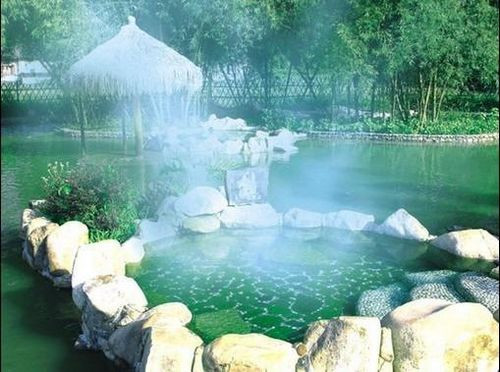
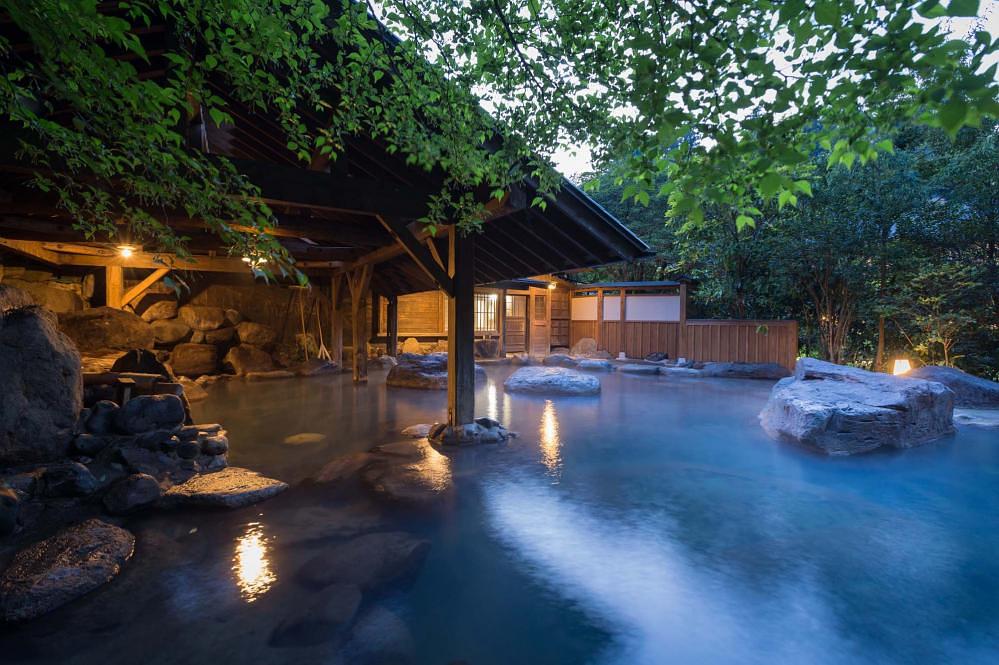
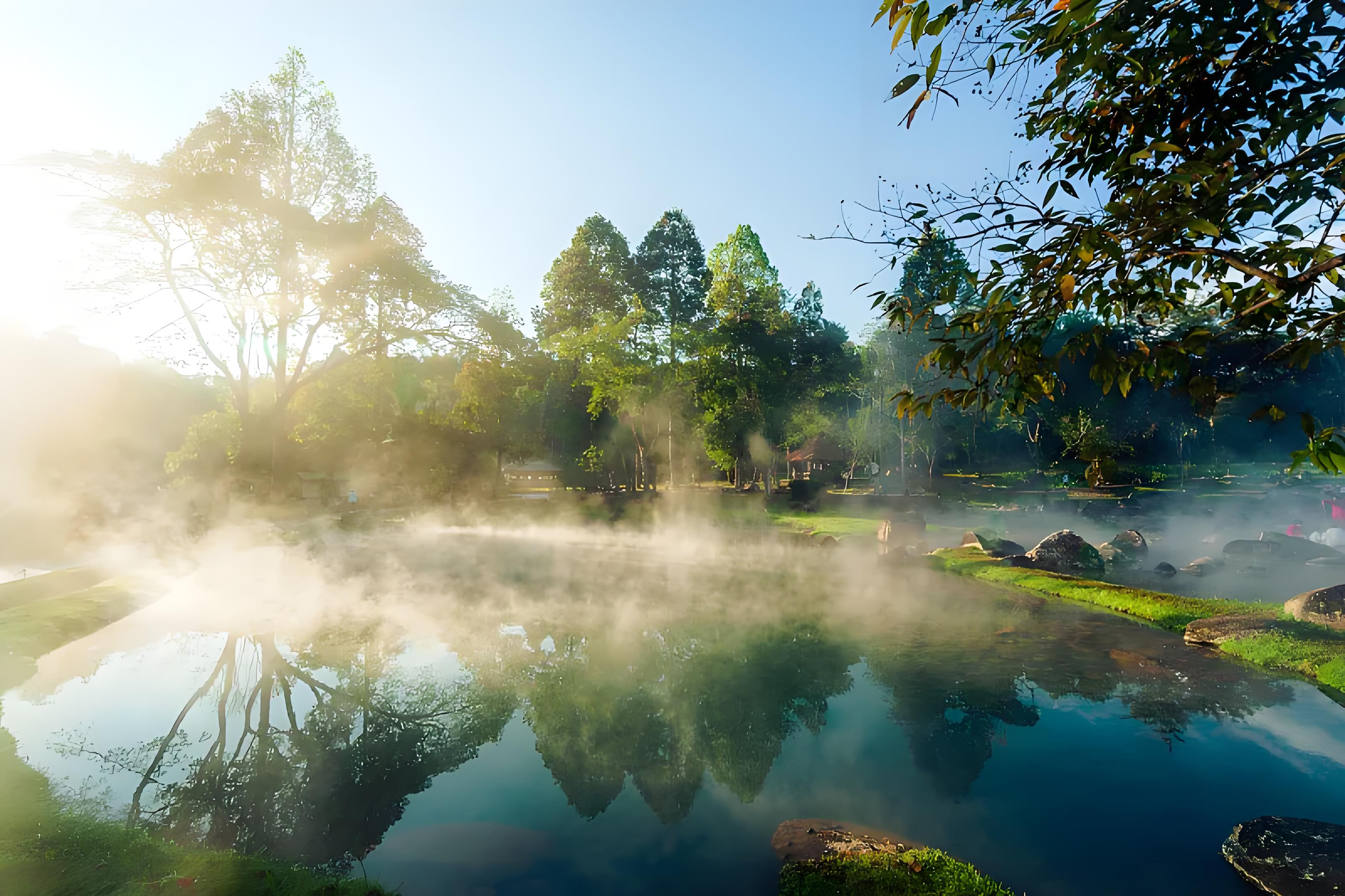
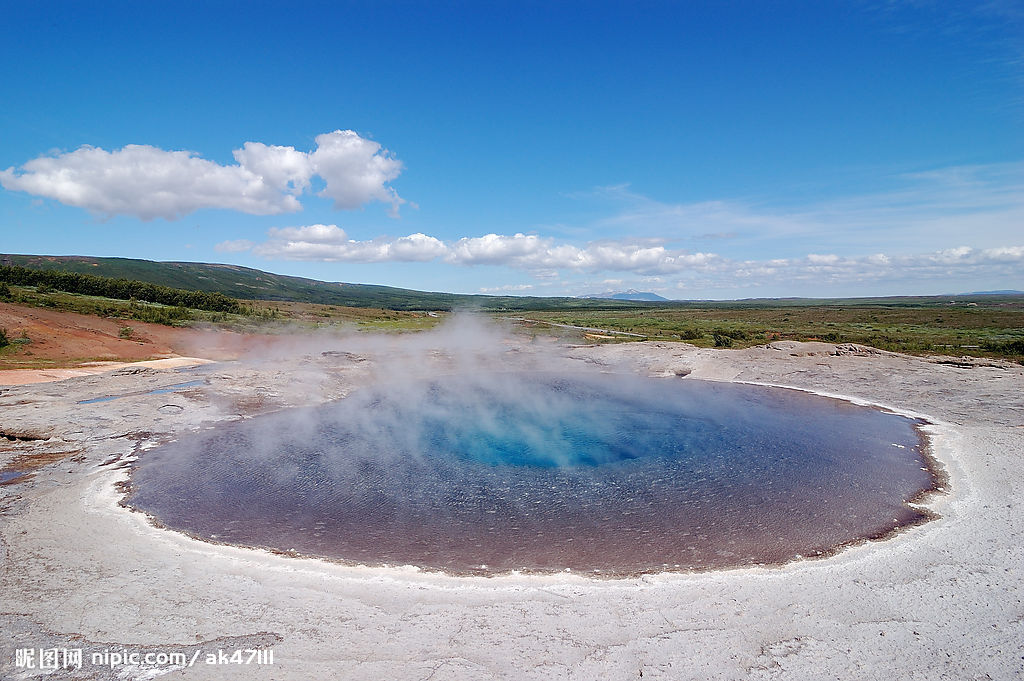
A hot spring is a type of spring water, referring to water that naturally emerges from the ground. It is a natural outcrop of groundwater where the temperature at the spring mouth is significantly higher than the local annual average temperature but lower than (or equal to) 45 degrees Celsius, and it contains mineral water with trace elements beneficial to human health. In China, hot springs are mostly distributed in regions such as Guangdong, Guangxi, Hainan, and Yunnan.Hot springs are primarily formed by magmatic activity within the Earth's crust or by the infiltration and circulation of surface water. The water temperature of a hot spring generally exceeds 20°C. Based on their environment, they can be classified into volcanic hot springs and non-volcanic hot springs. Li Shizhen categorized mineral springs into thermal springs, cold springs, sweet springs, acidic springs, and bitter springs, which is the earliest recorded classification of hot springs in China. During the Western Zhou Dynasty, King You of Zhou built the "Li Palace" at the foot of Mount Li's northwest slope at Huaqing Pool. Qin Shi Huang had the hot spring built into a pool, naming it the "Li Mountain Hot Spring." The Northern Wei text Commentary on the Water Classic records a total of 31 hot springs. During the Tang Dynasty, the discovery of hot springs began to extend to areas south of the Yangtze River. By the Ming and Qing Dynasties, Chinese hot spring culture had basically spread to all regions across the country. In the late 17th century, the flourishing development of hot springs in Britain accompanied the overall growth of the national economy. Japan enacted the Hot Spring Law in 1948. In 1972, the cost of hot spring therapy in Germany accounted for 2% of its Gross National Product, and all hot springs were under strict government control. In the 1990s, the economic value of hot spring resources in Liaoning was further explored, driving the development of hot spring wellness and bathing. In May 2025, the China Hot Spring Tourism Industry Development Report (2024) stated that the total revenue from China's hot spring tourism in 2023 was approximately 180.688 billion yuan.Hot springs contain abundant minerals such as potassium, Sodium, Calcium, Magnesium, ammonium, and sulfur, as well as trace radioactive elements like radon. These have varying degrees of therapeutic effects on skin diseases, rheumatoid arthritis, neurasthenia, hypertension, chronic gynecological diseases, and other conditions. However, it is not recommended to bathe in hot springs when hungry, extremely fatigued, recovering from a prolonged illness, or during a woman's menstrual period.
Photos (3)