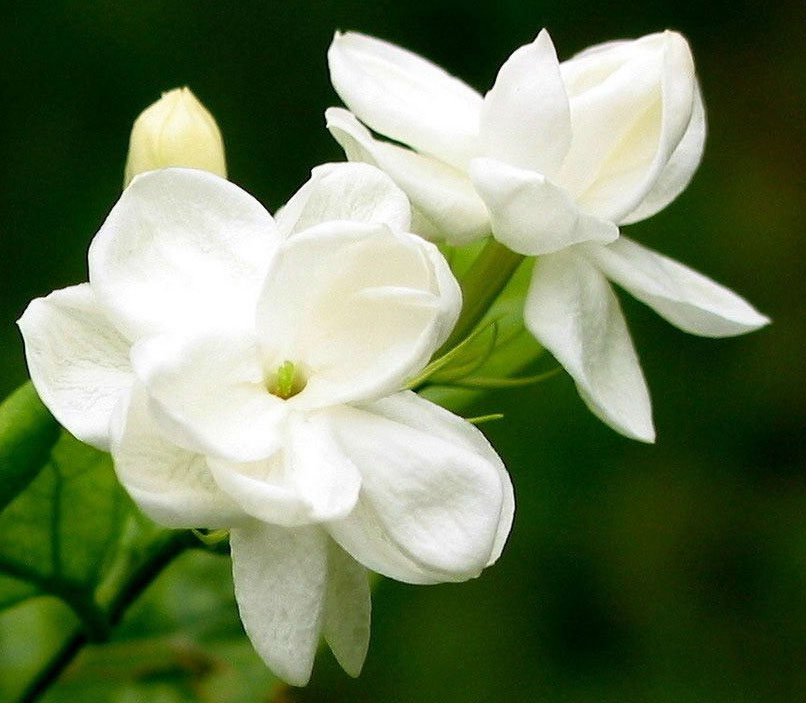
Jasminum sambac
| Name | Jasminum sambac |
| Date of Birth | 1987/12/12 |
| Body Size | 163cm FCup 86-64-90cm 33.9-25.2-35.4inch |
| SNS | aiuramarika |
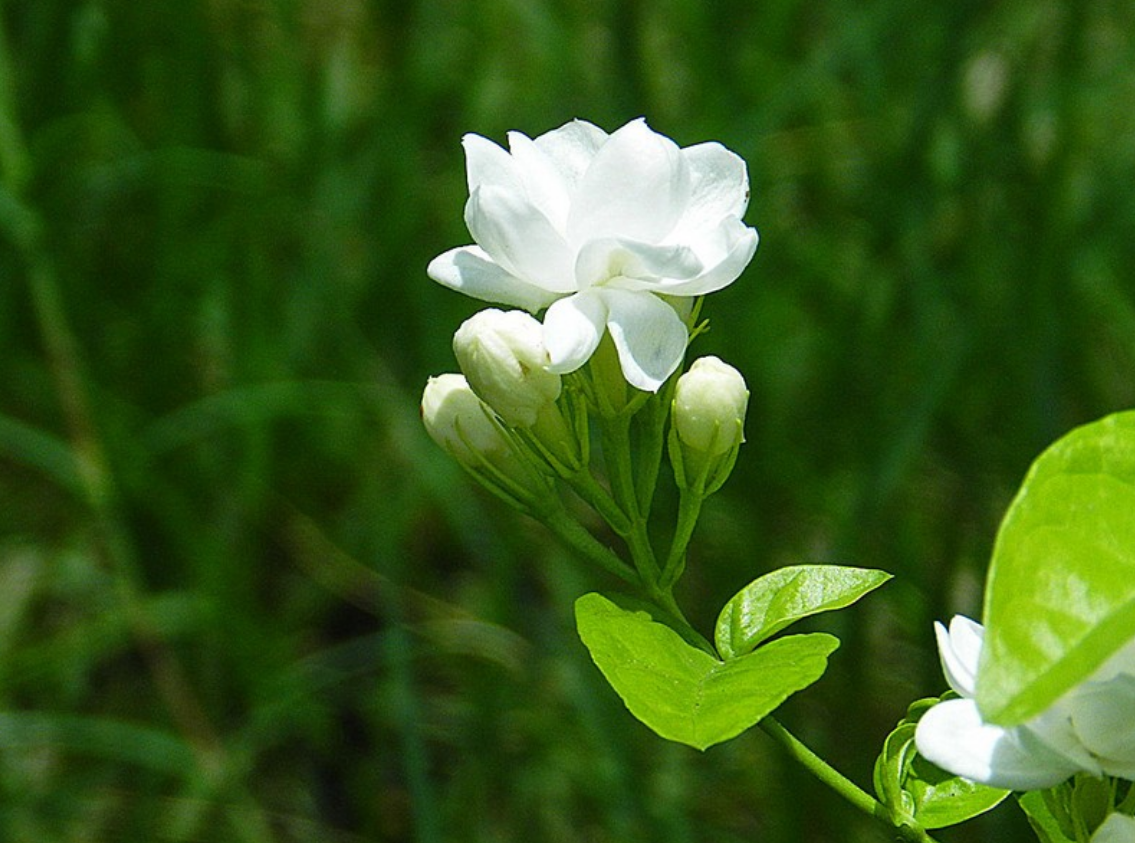
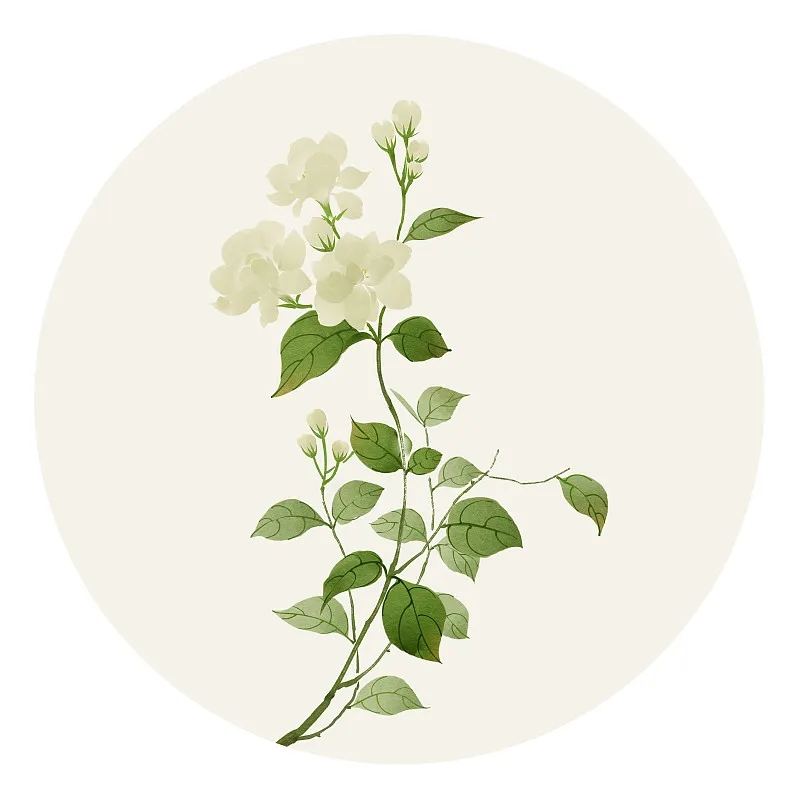
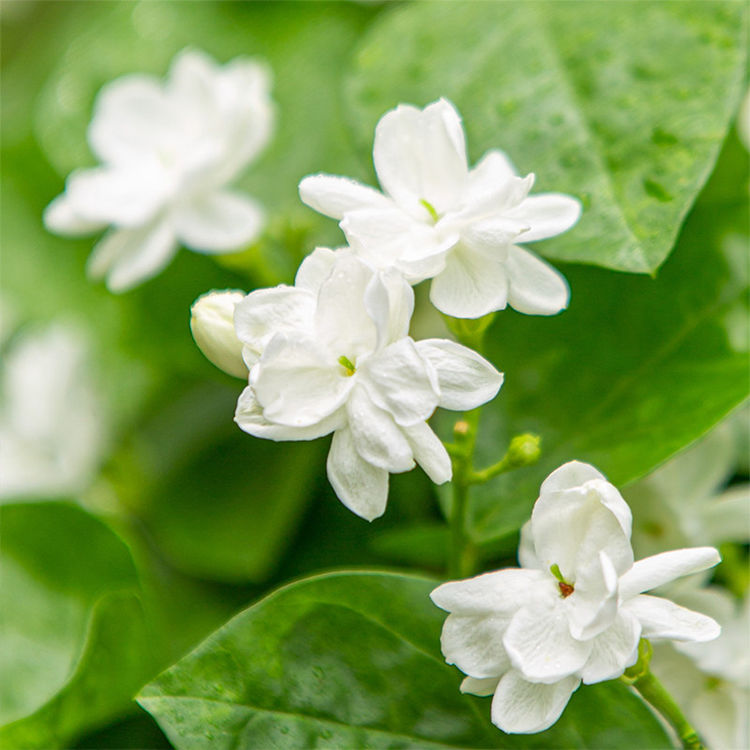
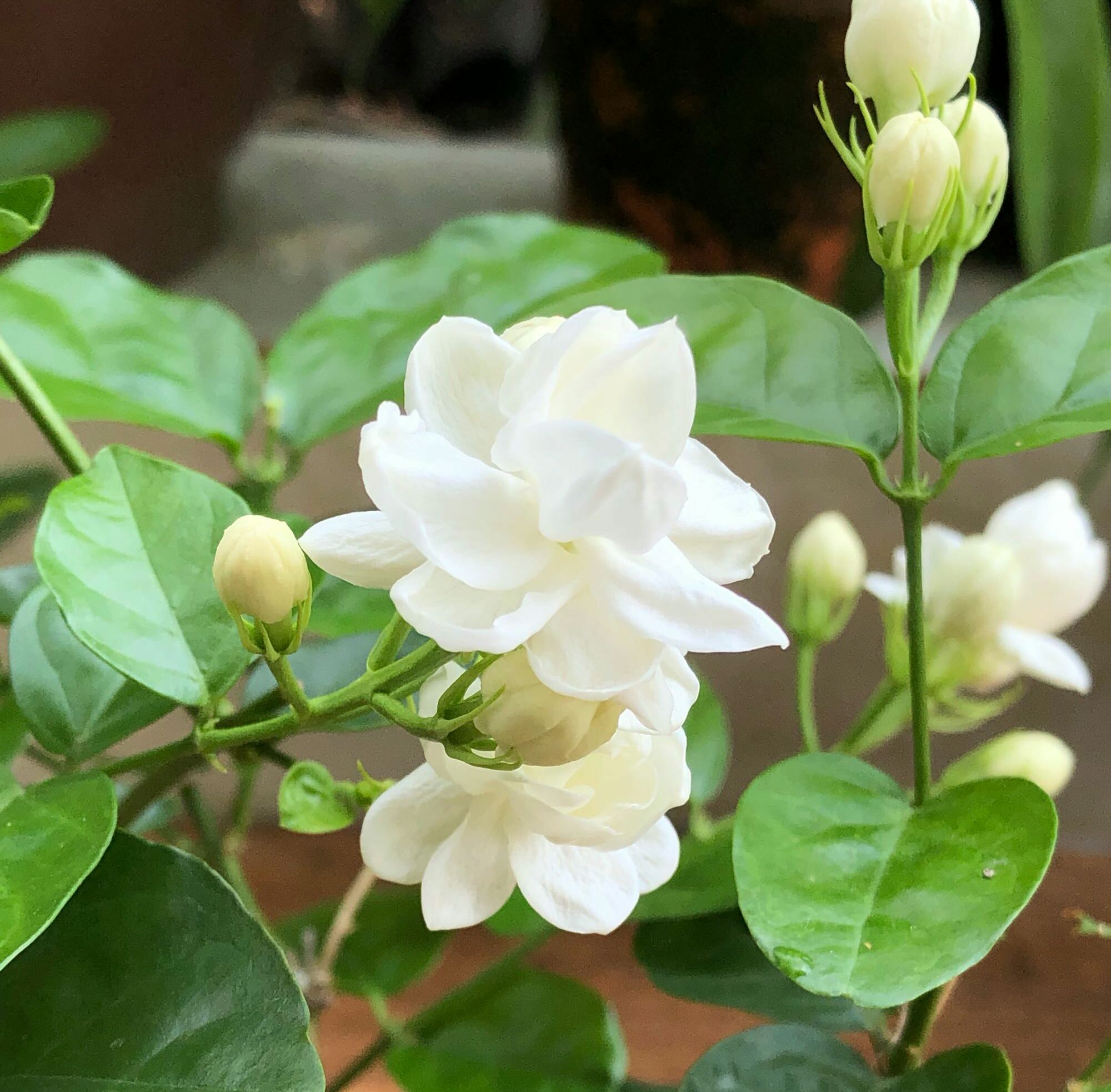
Jasminum sambac (scientific name: Jasminum sambac (L.) Aiton) is an erect or climbing shrub in the family Oleaceae and genus Jasminum. Its flowers are fragrant and are used as raw material for scented tea and essence. It is native to India and southern Iran, and is widely cultivated in Southern China and throughout the world.- Morphological characteristics: Height up to 1-3 m. Branchlets cylindrical or slightly flattened, sparsely pubescent, with denser hairs at nodes; old branches nearly glabrous. Leaves simple, opposite; petiole 2-6 mm, pubescent, jointed; leaf blade papery, orbicular, elliptic, or obovate. Cymes terminal, usually with 3 flowers, sometimes a single flower or 4-5 flowers. Flowers extremely fragrant; corolla white, corolla tube 0.7-1.5 cm, limb 5-lobed or double-petaled. Berry globose, about 1 cm in diameter, purple-black when mature. Flowering period May-August, fruiting period July-September.- Growth habits: Jasminum sambac prefers warm and humid conditions and grows best in a well-ventilated, semi-shaded environment. The most suitable soil is slightly acidic sandy soil rich in humus. Most varieties of Jasminum sambac are intolerant of cold and drought and cannot withstand frost, waterlogging, or alkaline soil.- Distribution range: Jasminum sambac is native to India and southern Iran and is widely cultivated around the world. In China, it is mostly cultivated in the south. It is mainly produced in Fujian, Guangxi, Sichuan, Yunnan, Guangdong, Jiangsu, and other places. Hengzhou, Guangxi, is China's largest producer of Jasminum sambac and is known as "China's Jasmine Hometown". The output of Jasminum sambac flowers and that of jasmine tea each account for more than 80% of the national total.- Main value: The floral fragrance of Jasminum sambac is used as a raw material for scented tea and as an important raw material for essence. The flowers and leaves are used medicinally to treat red, swollen, and painful eyes, and have the effect of relieving cough and resolving phlegm. Edible jasmine tea is a specialty of Fuzhou. It is a type of tea made by scenting specially processed shaped tea or refined green tea base with fresh jasmine flowers. Jasminum sambac is the national flower of the Philippines, Tunisia, and Indonesia. It is also the city flower of Fuzhou.
Photos (6)